- Home
- About
- Curriculum
- Statutory
- News & Events
- Parents & Carers
- Activities to do at Home
- Opportunities
- Contact


The nature of Art and Design is creativity and imagination. Art is something that stimulates an individual's thoughts, emotions, beliefs, ideas or experiences through the senses and physical mediums such as painting, sculpting, film, dance, writing, photography and theatre.
At Amwell View we aim to provide visual, tactile and sensory experiences and encourage pupils to experience a unique way of understanding and responding to the world. The curriculum is designed to allow pupils to use colour, form, texture, line, pattern and different materials and processes to communicate what they see, feel and think. We intend for our pupils to explore ideas and meanings in the work of other artists, crafts people and designers.
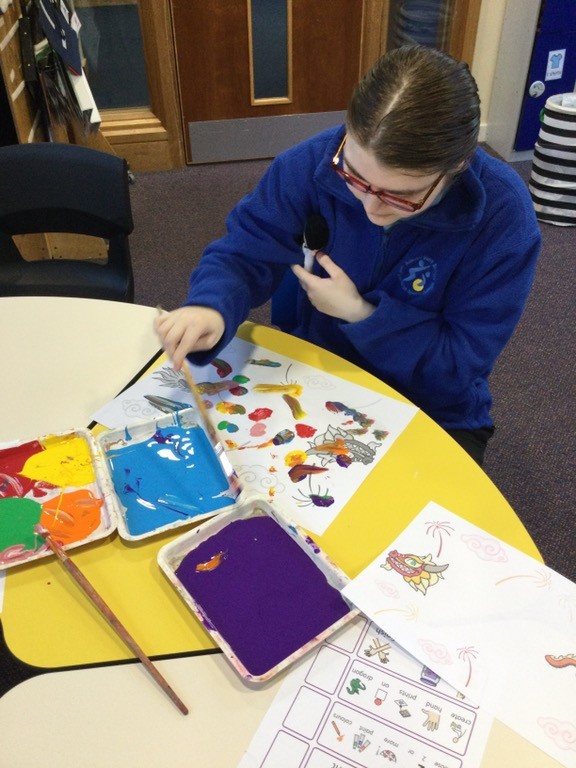
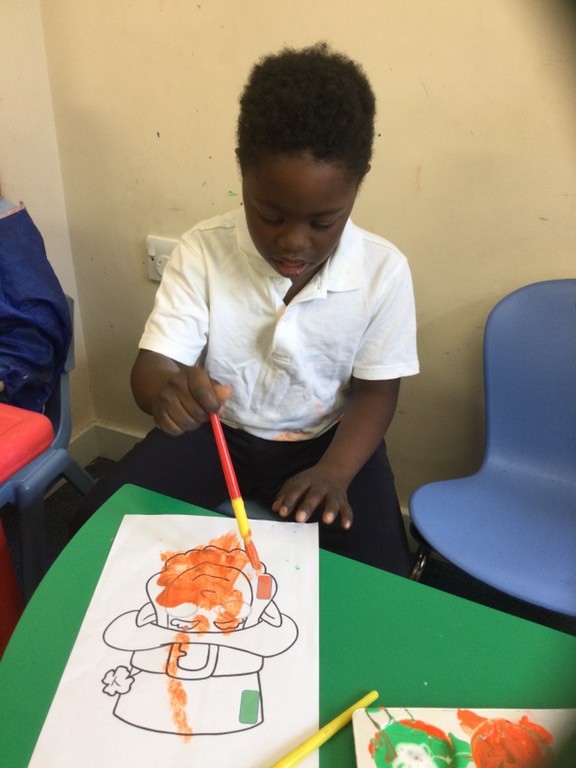
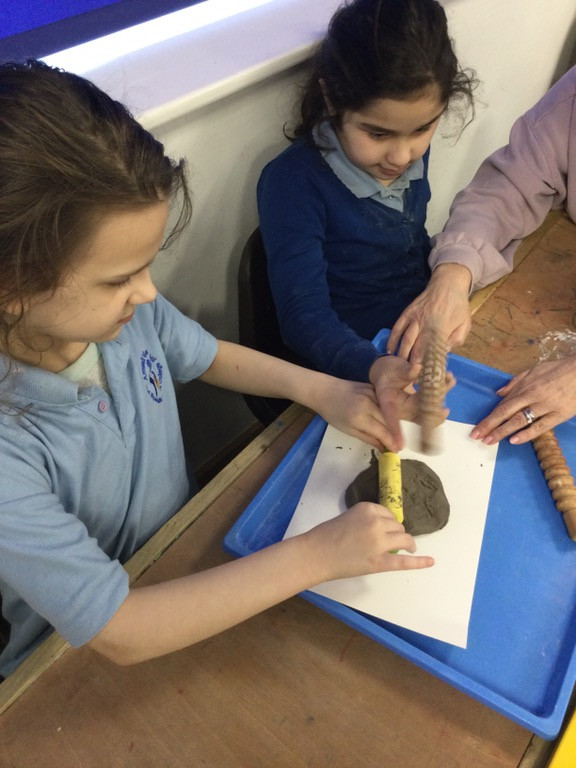
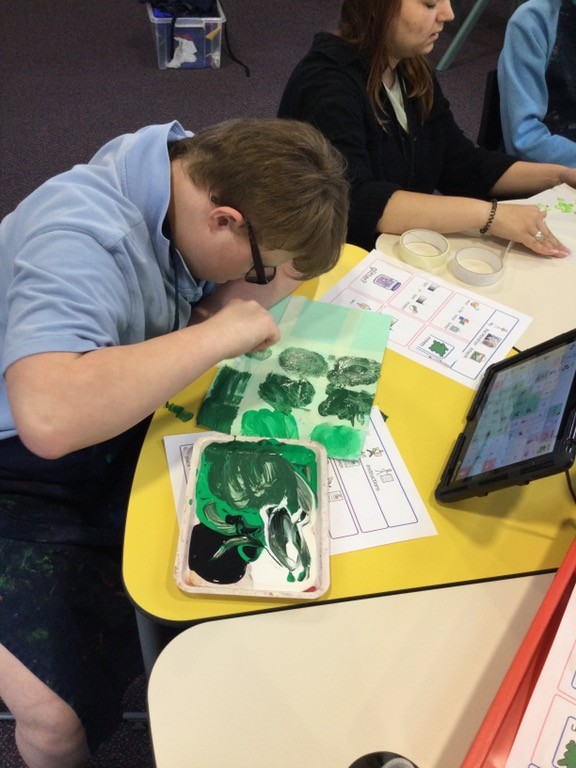
The curriculum is delivered in a variety of ways, matching the learning styles and abilities of each individual pupil and meeting the needs of pupils with a diagnosis of Autism, PMLD and SLD. The most consistent method is through visual presentation and practical experience, where pupils explore colour, form, shape and pattern through exploratory and hands on activities to develop their visual learning and understanding.
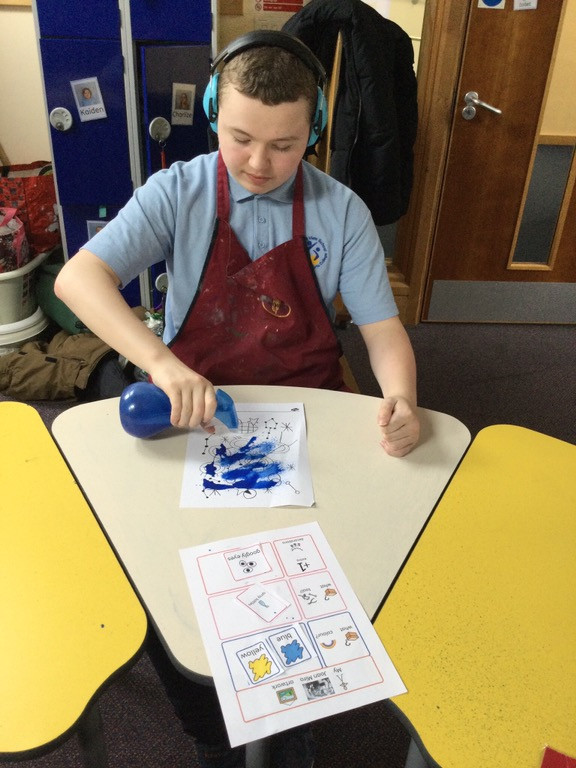
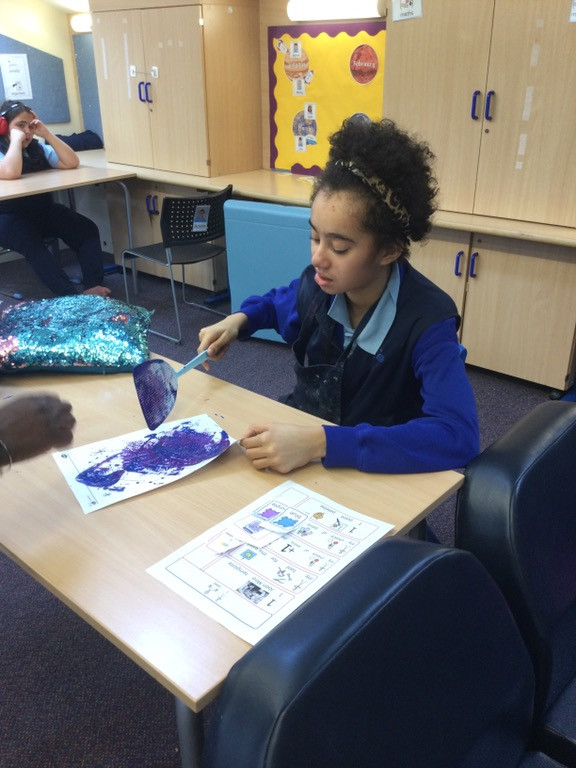
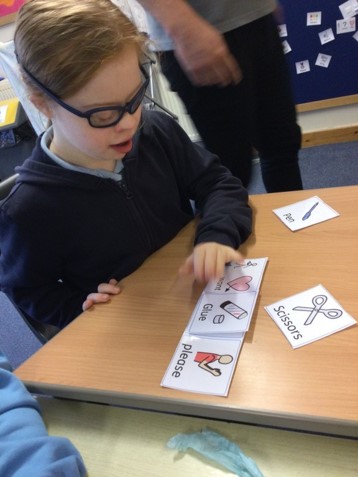
Throughout these experiences, members of staff demonstrate, model and use a range of communication media (signs, symbols, tools and objects of reference) to support understanding, develop pupils’ independence and inspire creativity.
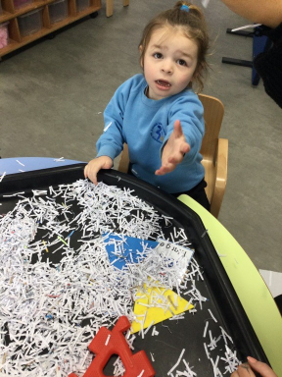
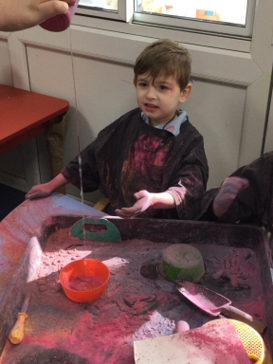
Art lessons are multi-sensory experiences that also focus on other senses such as auditory and kinaesthetic presentation during activities, such as painting to the rhyme of music. Art is an opportunity to explore through investigative play.
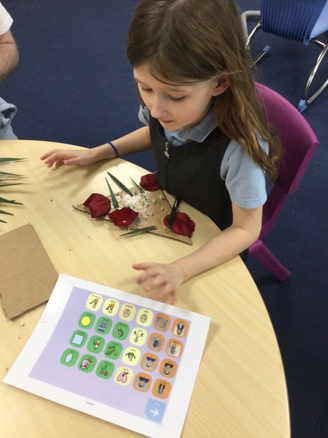
Art is also taught through multimedia resources, for example through applications on programs such as Grid 3 or Purple Mash. These are explored in different learning environments and mediums such as the classrooms, the Sensory Room or on pupils’ personal communication aids such as an eye gaze or VOCA (Voice Output Communication Aid).
The school policy (also see Autism policy) fulfils the requirements of the QCA guidelines as set out in the Art scheme of work, which takes account of our pupils’ different learning needs. Teachers’ half term plans ensure differentiated learning objectives for all pupils in line with their Education Health and Care Plan.
We recognise that many children access their learning through a multi-sensory curriculum, which encompasses Art and Design to develop their skills within the eight elements of Art: line, shape, colour, value, texture, form and space.
Art is taught as a discrete subject to all classes, however, is also used alongside many other subjects in the curriculum.
Examples of the development of Art in cross-curricular subjects are as follows:
The Art year plans offer a wide range of topics where pupils get to experience new techniques as well as artists and cultures, further providing cross-curricular opportunities, for example studying famous events or artists in lessons such as History and English.
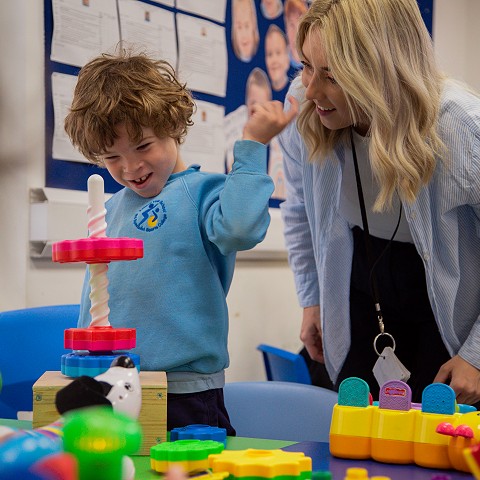
Within EYFS Art is taught through pupil choice and Child Initiated Learning (CIL). CIL links with Expressive Arts and Design, one of the seven areas of the Early Years Foundation Stage, and is used to develop a child's imagination, creativity and their ability to use media and materials.
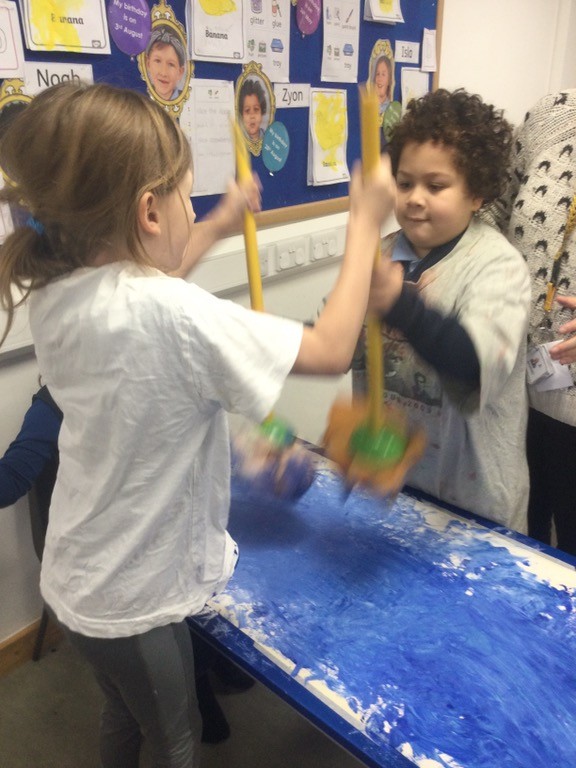
The most consistent method is through visual presentation and practical experience, where pupils explore colour, form, shape and pattern through exploratory and hands on activities to develop their visual learning and understanding. Pupils do this in range of ways including making art while listening to music, dancing in painting materials and playing with colours, textures and design.
Through Key Stages 2 and 3, Art can develop with introduction of communication opportunities. Throughout these experiences, members of staff demonstrate, model and use a range of communication media including, signs, symbols, tools, activity cues, to support understanding, develop pupils’ independence and inspire creativity.
Key Stage 4 and Post 16 classes have opportunities to explore planning, supporting to develop their creativity and thinking skills, where independence is further encouraged.
As well as having an allocated Art lesson during the school week, Post 16 classes have the opportunity to take part in the Arts Award, where pupils discover the enjoyment of creating and participating in arts activities, experience arts events, develop creative and communication skills, explore the work of artists and craftspeople and gain insights into the professional arts world.
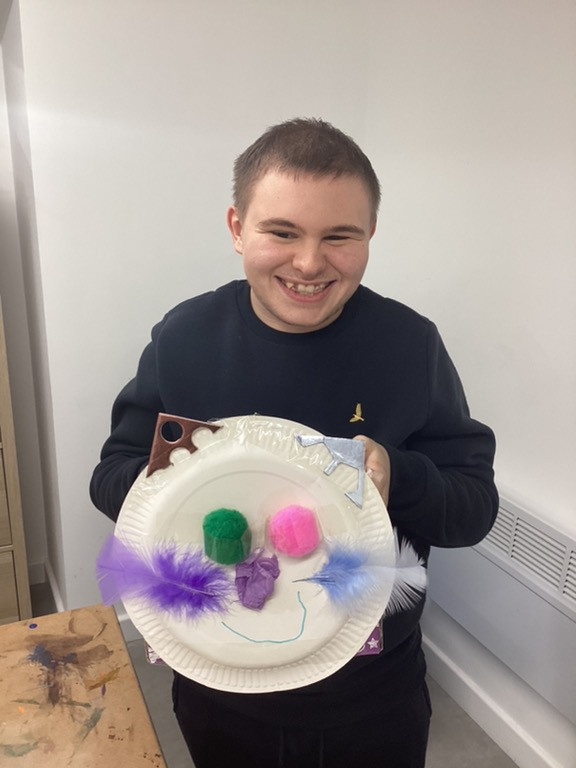
Art lessons for PMLD pupils are planned with a wide range of multi-sensory aspects in mind including touch, smell, sight and sound. This might take the form of pupils running their hands over a cool, smooth surface such as a marble column or feeling the softness of a feather. It might involve listening to a recording of the rustling sound of leaves or experiencing the physical action and sound of grinding charcoal in a pestle and mortar. Pupils are given time and opportunities to respond and show preferences or recognition to colour, texture, shape or pattern. Art topics are taught in all environments such the Dell, outside areas and in the local community when buying art supplies.
The impact of this can be evidenced in the pupils’ development of fine and gross motor skills, the ability to explore and use a wide range of equipment, improved decision making and language skills when requesting for preferred colours, textures or materials, increased social skills when sharing equipment, and a developed sense of exploratory and investigative skills when exploring imagination through Art.
Across the School, Art lessons boost critical thinking, teaching children and young people to take the time to be more careful and thorough in how they observe the world. Art at Amwell View School encourages self-expression and creativity, building confidence as well as supporting the pupils to have a developed sense of autonomy and identity. The Impact of the Art Subject Overview can be seen in the development of the 5 senses (sight, sound, smell, touch and taste) which in turn reduces stress and anxiety, allowing pupils to demonstrate an increased ability to cope with challenges so that they can explore, imagine and create freely.
 |  |  |
 |  |  |
 |  |  |
 |  |  |
|
|
|