- Home
- About
- Curriculum
- Statutory
- News & Events
- Parents & Carers
- Activities to do at Home
- Opportunities
- Contact


Science is a practical way for children to find out about the world around them. Science at Amwell View School focuses on developing curiosity, looking and listening, fostering good communication and learning with others. The topics in Science intend to expose pupils to a range of resources, approaches and outcomes and they focus on ways to communicate their learning to others and practise skills to build on in each lesson.
Understanding the World (UW) is one of the four specific areas of learning in the EYFS framework. It is designed to help children to make sense of their physical world and their community through opportunities to explore, observe and find out about people, places, technology and the environment.
At Key Stage 4 the Science curriculum focuses on accessing the CREST Award schemes, Star, Superstar challenges that focus on the use of equipment and testing ideas. At Post-16 the Science curriculum focuses on consolidating previous learning in a variety of practical and focused activities that draw on previous knowledge, skills and understanding.
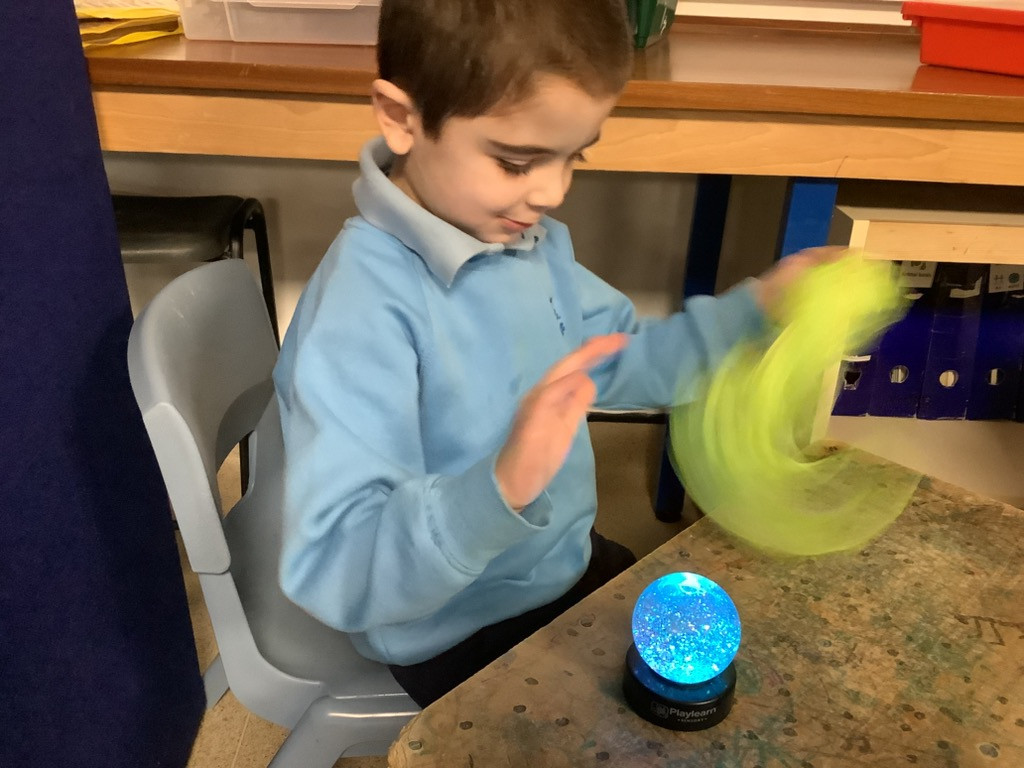
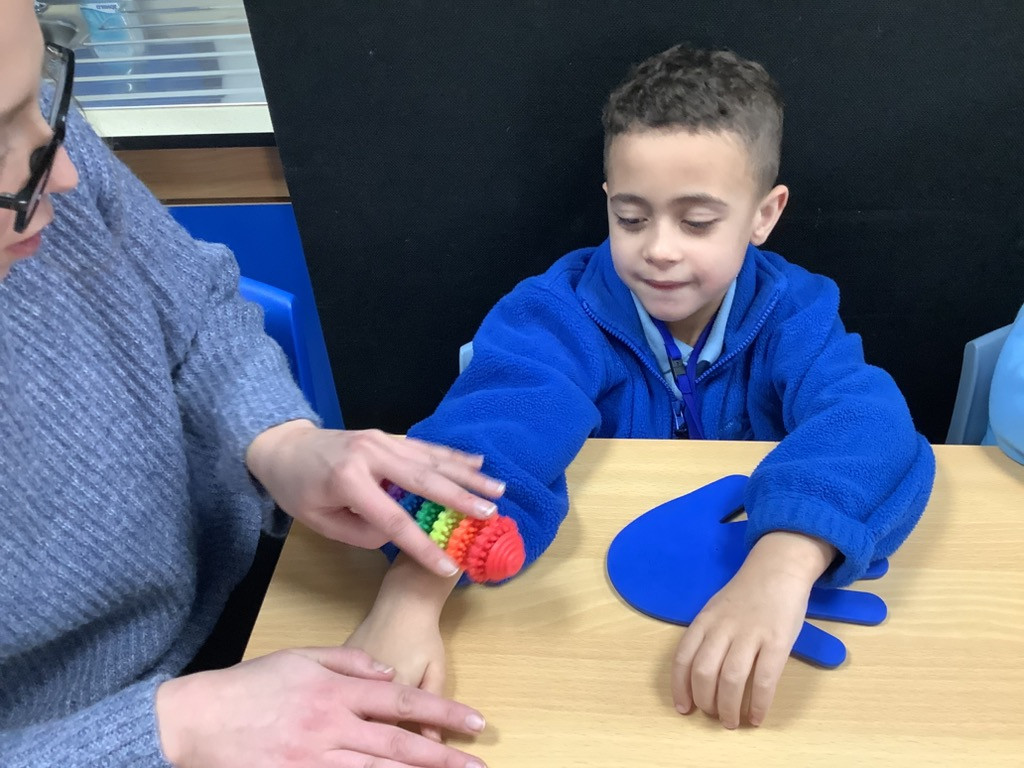
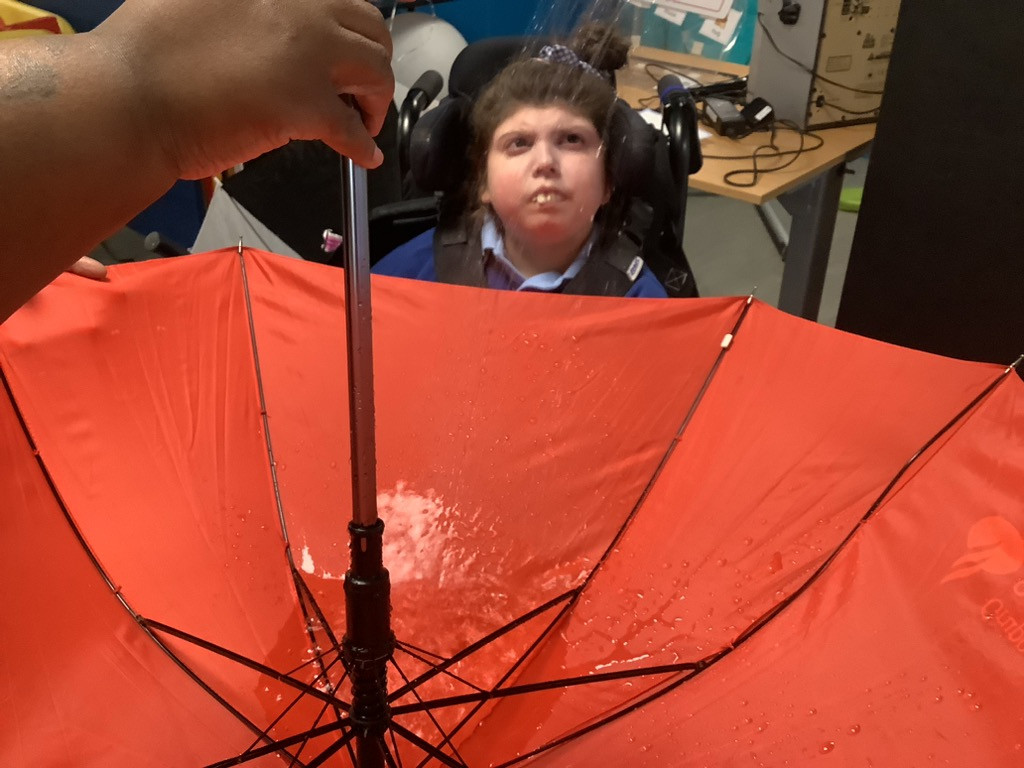
For PMLD pupils a sensory curriculum aims to develop their attention and interest in the world around them.
For higher learners the activities intend to focus on using reading and writing skills to record information, opportunities to ask and answer questions and guide their learning within the topic.
Each Science lesson is thirty minutes in duration. Pupils attend one science lesson per week. Every academic year there is a Science Week at Amwell View School, which coincides with British Science Week.
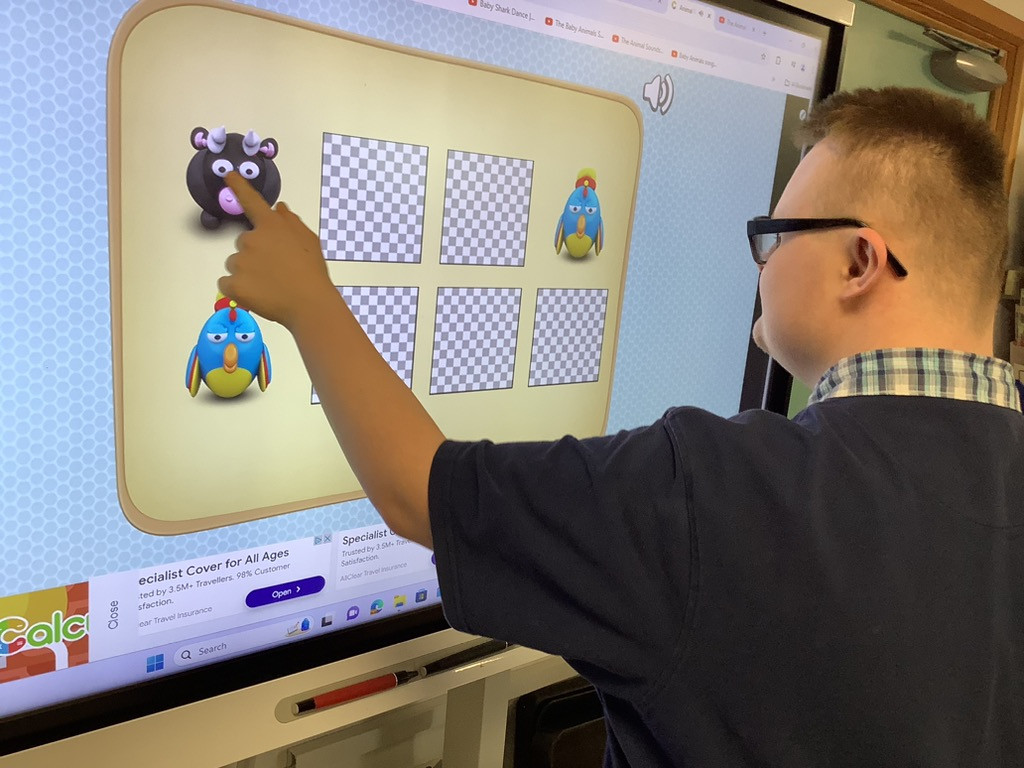
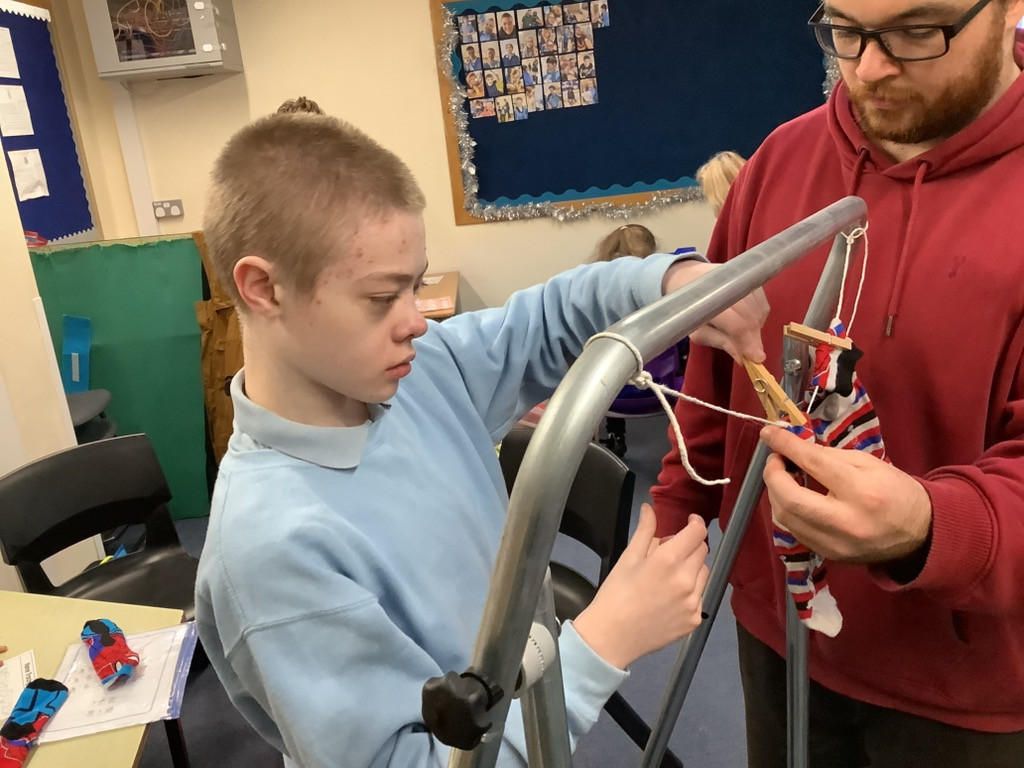
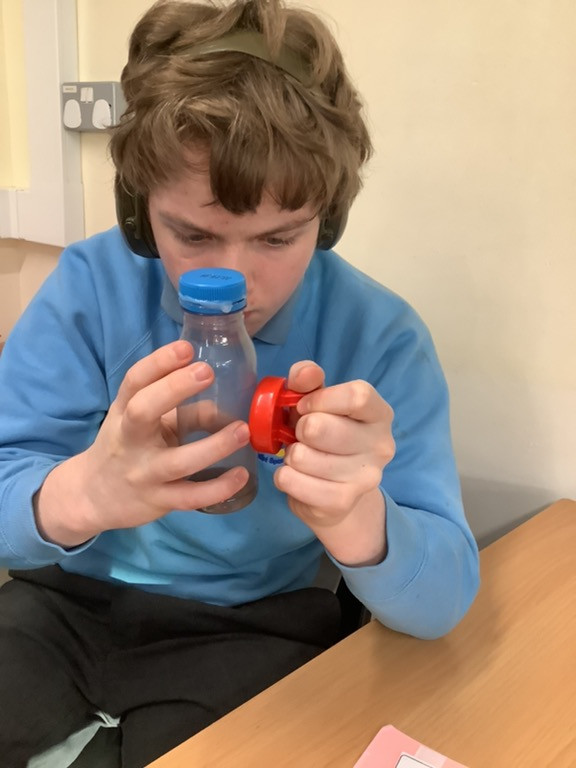
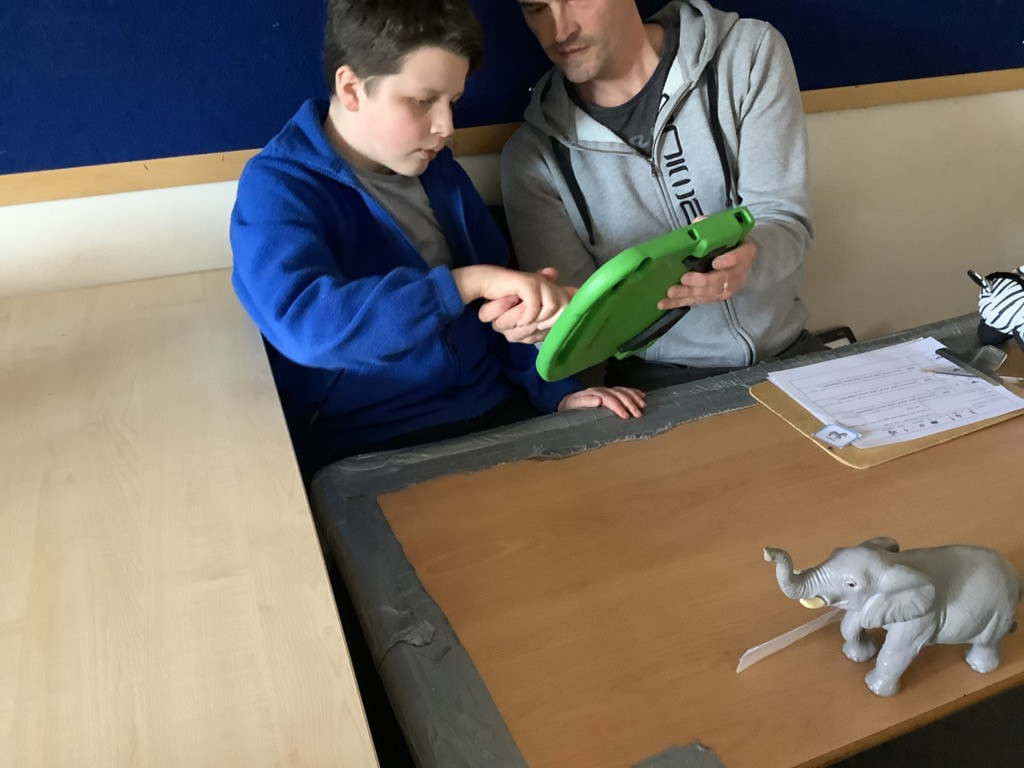
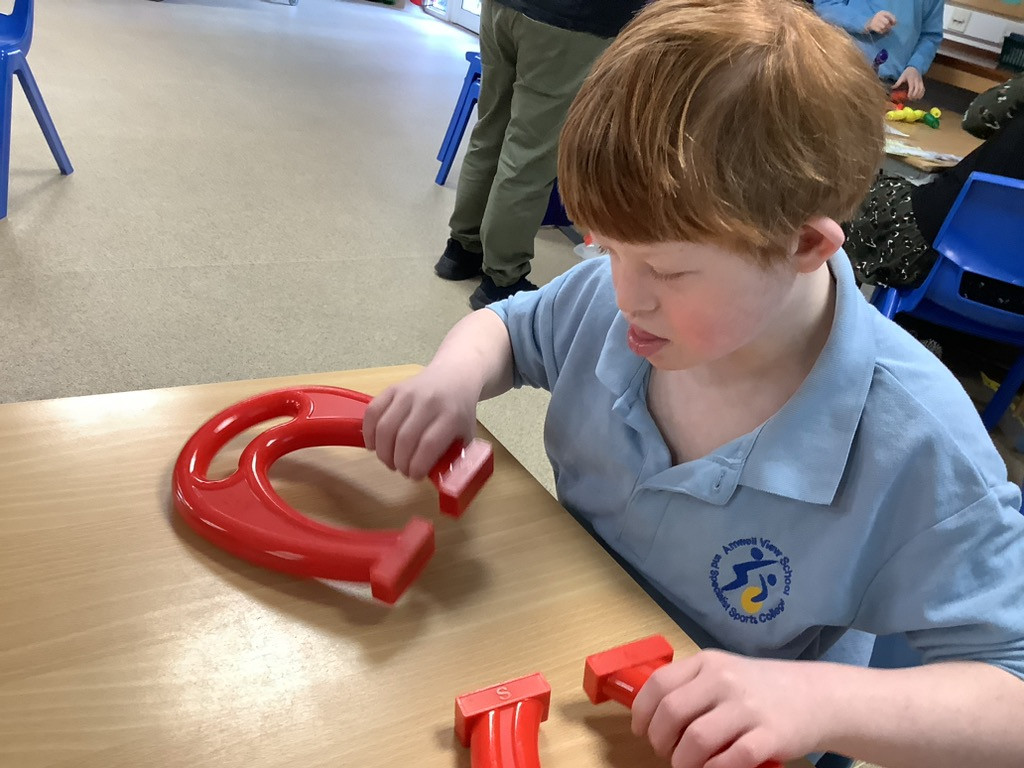
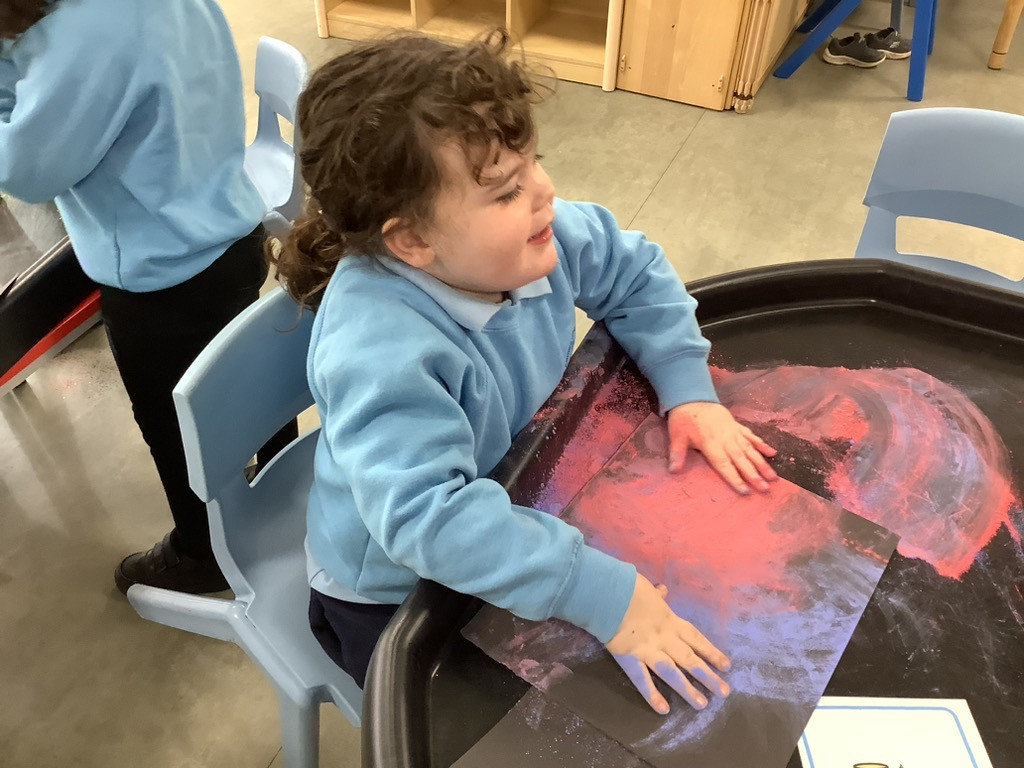
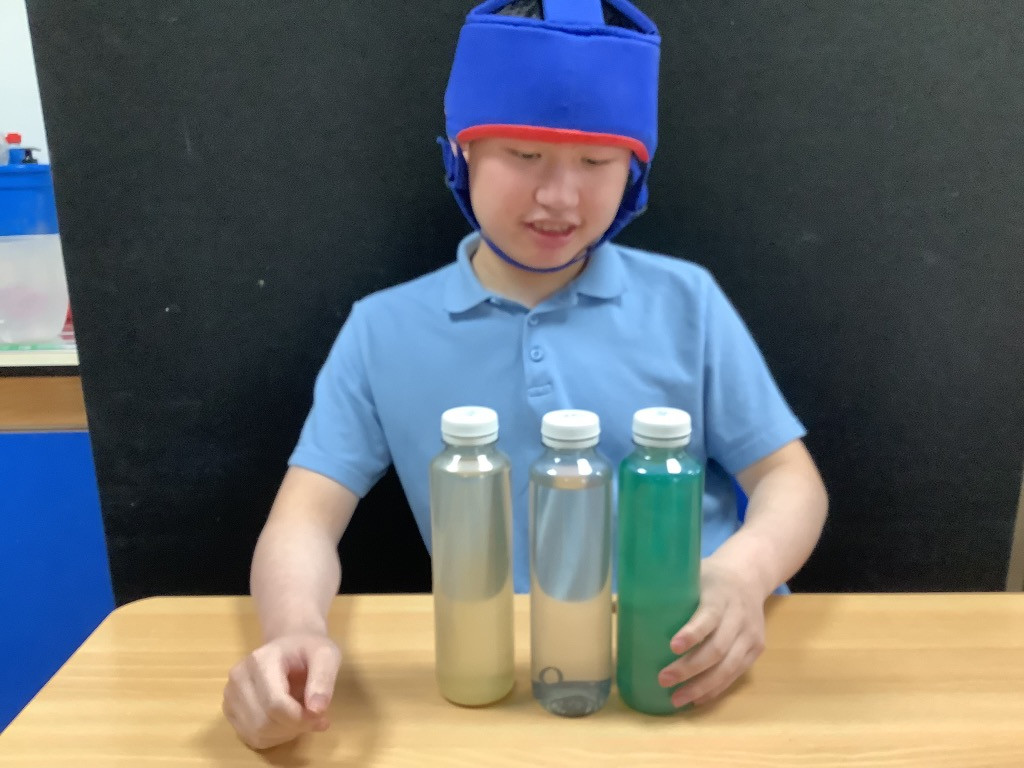
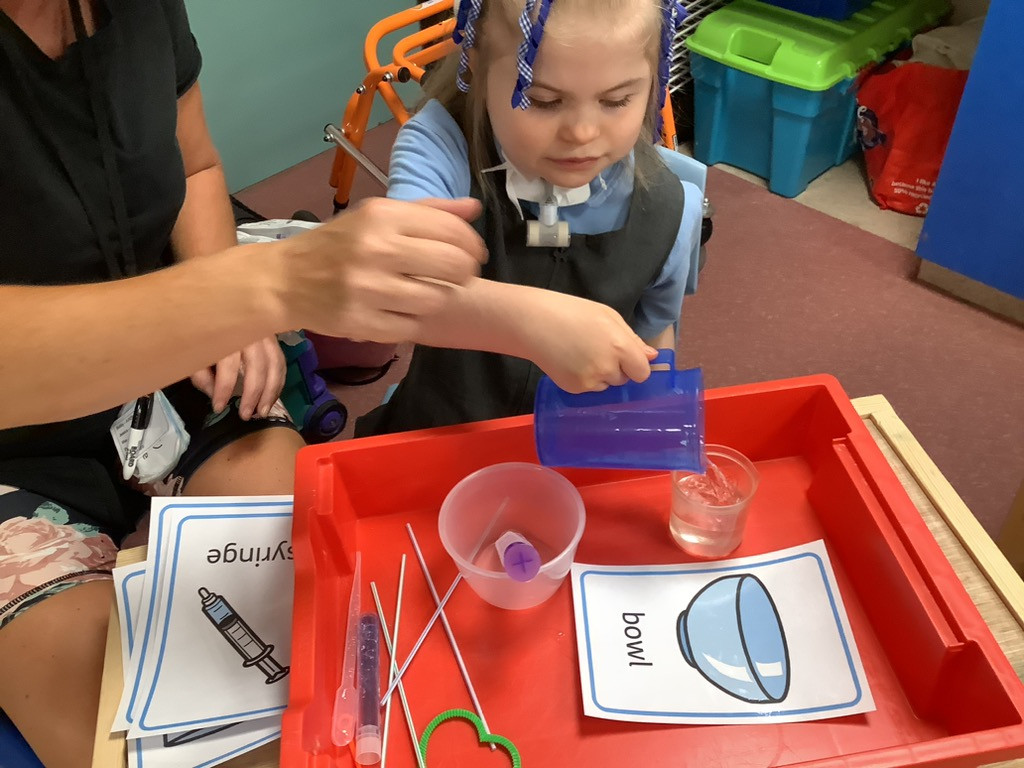
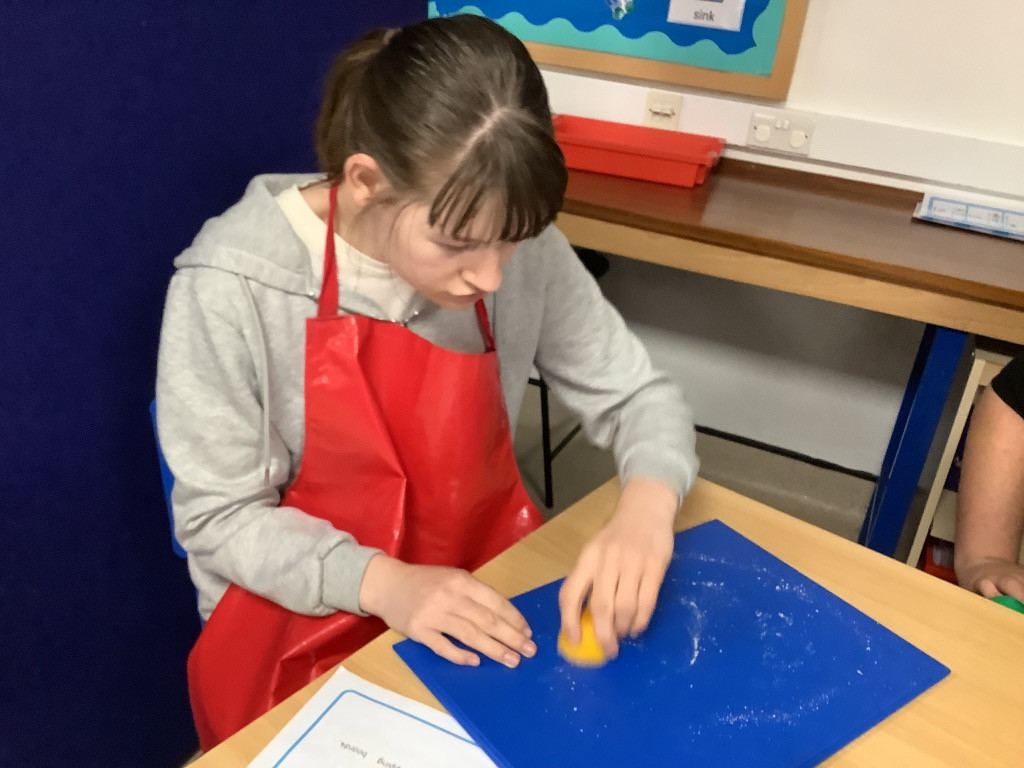
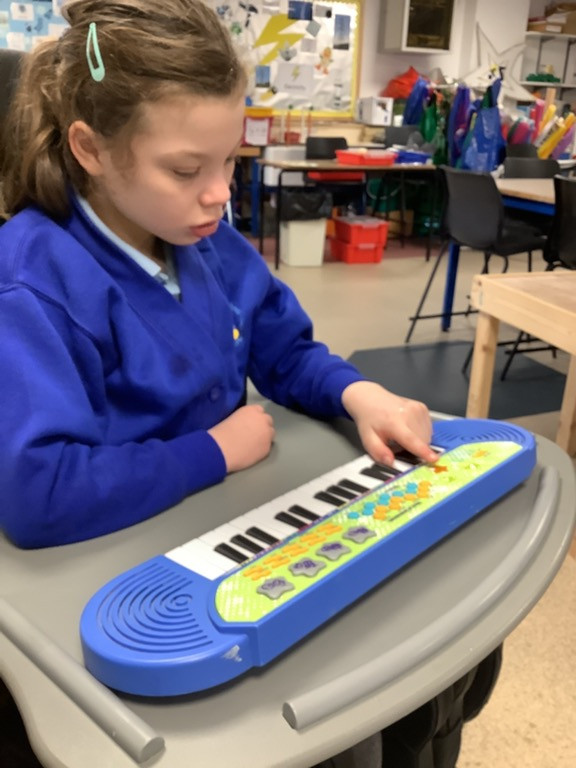
A hands-on approach to Science activities encourages children to actively explore and make connections in a cause and effect manner, allowing children to practise, anticipate and embed understanding and knowledge during their learning journey. Each pupil has an individualised learning objective per half term. The level of support, the pace and resources are used to support the individual learner achieve their objective. The overview for Science covers a majority of National Curriculum topics and other areas that are meaningful for Amwell View learners, working towards using a range of skills used throughout the school. Such as, recognising colours, reading, counting, using sentence openers, pouring, matching, classifying, fine motor skills for writing and development of life skills.
Science lessons cover health related fitness, nutrition, first aid and keeping safe when using electricity. The majority of lessons are in the purpose built science room but classes have regular access to outdoor learning in the area outside the room, fitness suite, the large astro-turf play area and The Dell. To supplement activities outside visitors and offsite visits are booked to provide pupils with varied experiences on a topic for example, animal visits and Rye Mead Nature Reserve. At Amwell View School UW enables children to communicate and interact with the appropriate levels of support and explore what they want to do, increasing physical mobility and dexterity, gaining a sense of predictability, following a routine, sharing with others and finishing an activity.
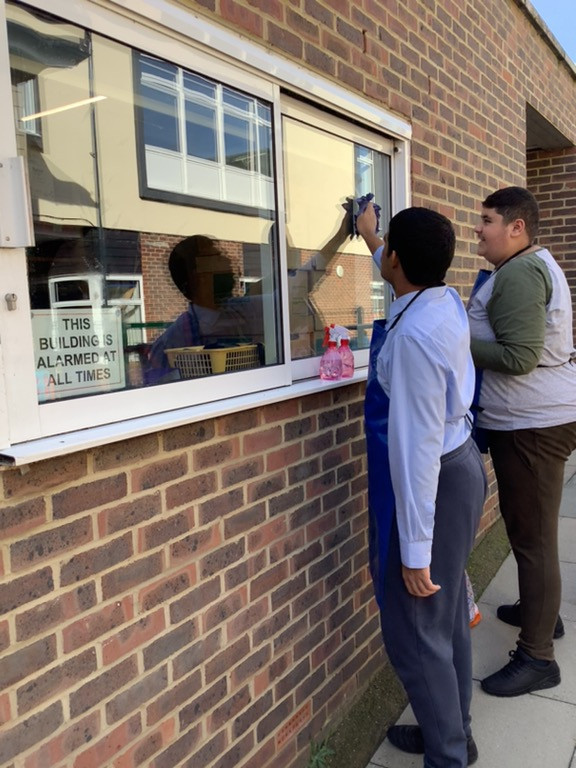
In the Star and Superstar activities students are presented with challenges and scenarios related to their knowledge and understanding; they need to test and comment on the outcomes. Post-16 pupils also focus on First Aid skills, recognising when someone needs help and recognising ways they can help, nutrition and exercise, keeping my body safe when lifting heavy objects and using familiar equipment to tidy up after an activity.
PMLD pupils learn through using sensory stories, the main sensory room for small partner learning. The small sensory room in Class 4 for small group activities and access to specific learning activities that promote pupil involvement and choices in using equipment and wanting ‘more’ or ‘finished’. TacPac activity boxes are used to expose pupils to a variety of experiences and resources using specific senses.
Higher attaining pupils focus on topic information and activities. They are encouraged to ask questions about what they are learning, use key topic vocabulary and what they want to know more about, using a range of resources to search and record relevant information to share with others. Experiments focus on naming specific equipment, such as light beams and a prism – testing to see what changes happen to the light when the two are used together. Higher attaining pupils are also provided opportunities to share previously learned information with others.
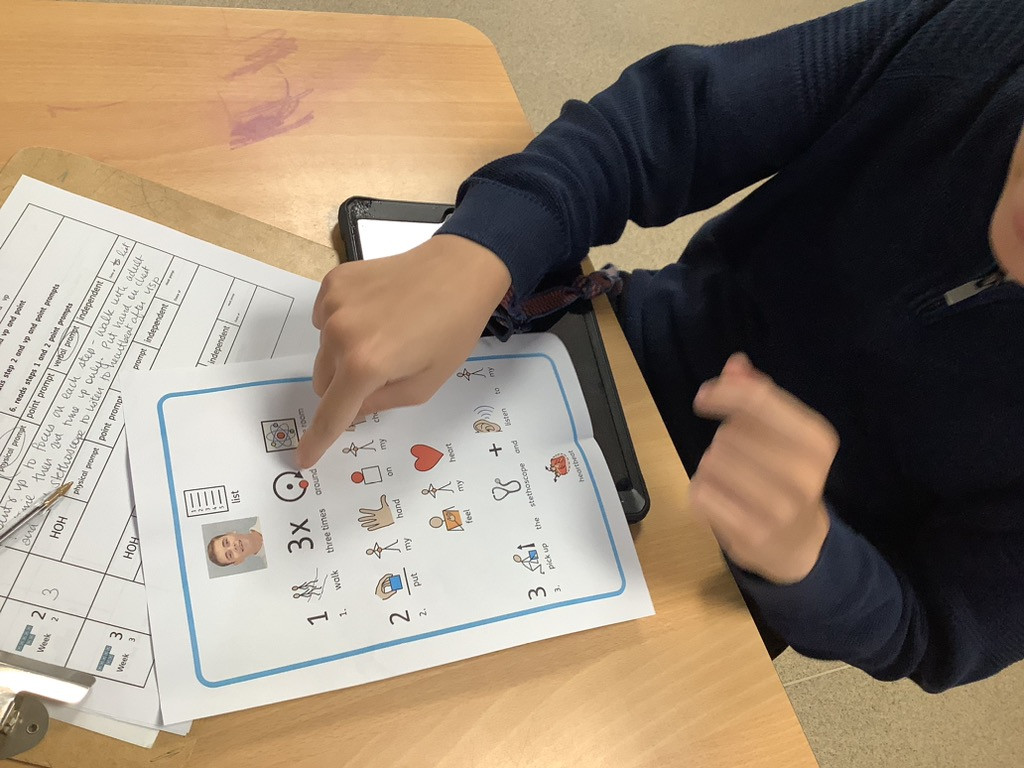
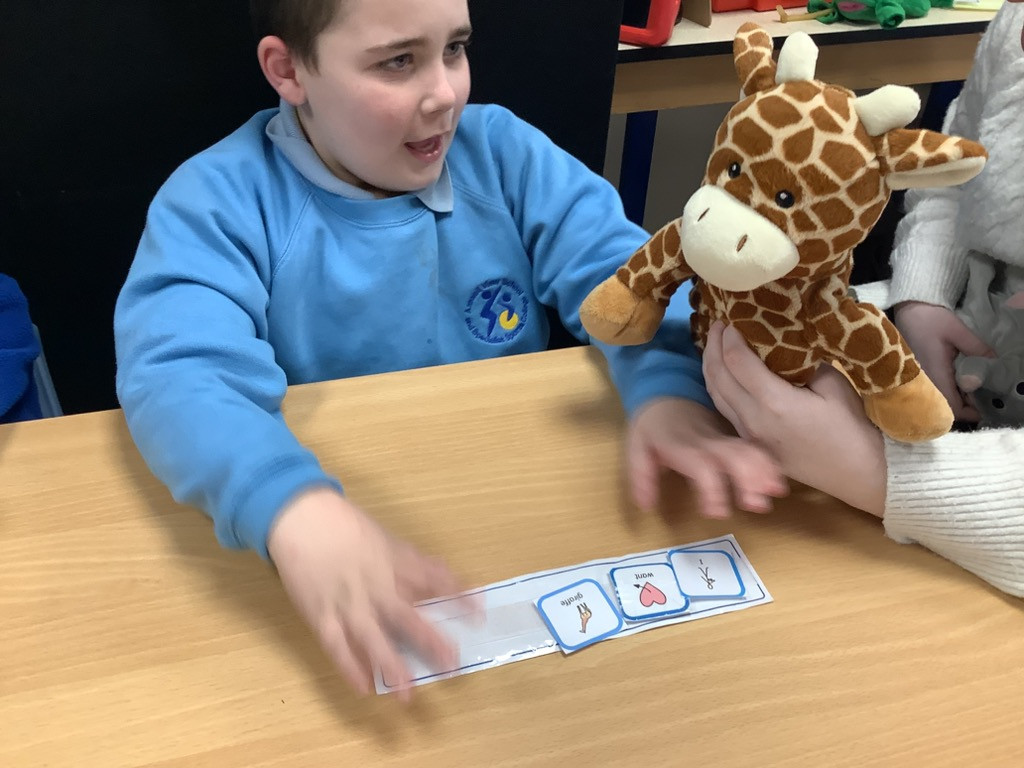
Pupils in Science are provided with individualised supports and prompts to communicate their learning and understanding. The framework of the lessons help pupils to predict successfully and remember how to share their understanding through choices of presented information. Pupils confidently interact with a range of resources, using them appropriately and importantly sharing with peers. They are encouraged to act responsibly and collaboratively, focusing on how they can do actions with varying degrees of independence as the academic year progresses. Knowledge and skills from Science lessons are used in other class activities, and vice versa, when handling and using equipment, remembering key skills such as colours, reading and writing and counting. Using sentence openers help pupils to communicate with clarity and this becomes embedded in their understanding and communication. Pupil outcomes aim to generalise learning outside the confines of the Science lesson and carry over into class activities and home, via Tapestry. For example, inserting a plug into the mains socket, finishing desired resources when requested, using VOCAs/symbols to comment on what is happening and gathering resources needed for an activity.
Pupils in Science are assessed at the end of each term. Learning objectives are commented on in each lesson with accompanying video or photographic evidence that is uploaded to Tapestry to track progression. The parents can view and comment on these videos. Summative assessment is recorded on the Priority Objective sheets alongside termly objectives creating a timeline of progression. The termly assessments are recorded on the formative evidence spreadsheet. Each term there is an assessment window that uses the BSquared Connecting Steps criteria to record pupil progress in specific skills and areas of development. Parents also have access to online learning shared on the school website that encourages family to explore and learn together.
 |  |  |
 |  |  |
 |  |  |
 |  |  |
 |  |  |
 |  |  |
 |  |  |